The Islamic Emirate of Afghanistan cuts internet and cell service for over 42 million citizens
On Sept. 30, the government Islamic Emirate of Afghanistan, also known as the Taliban, cut all access to internet and cell service in the country of over 42.6 million people. Prior to the total ban, access to the internet decreased in certain provinces in Afghanistan. This nationwide blackout is an action of unprecedented scale implemented by the government since the Taliban’s gain of complete power in 2021. For citizens of Afghanistan, the repeal of internet and cell access leaves the country and its people “in a limbo,” according to the United Nations.
The governing body’s nationwide ban on internet access and cell service is the most recent government interference in the country as of 2025. On Sept. 16, the Taliban blocked internet access in the northern province of Balkh. The decreasing access spread to over 15 more provinces. Then, on Sept. 29, the blackout became nationwide, affecting both mobile and wired services. BBC news reports the internet ban has affected banking systems and aviation travel in the country. The cut access has also left citizens disconnected from their relatives and friends. On Sept. 30, it was reported that the Taliban is seeking and arresting citizens using satellites for internet access. As of Oct.1, internet and telecoms are being restored throughout the country but the Taliban has released no official information about the 48-hour long internet shutdown and said that it was due to outdated technology.
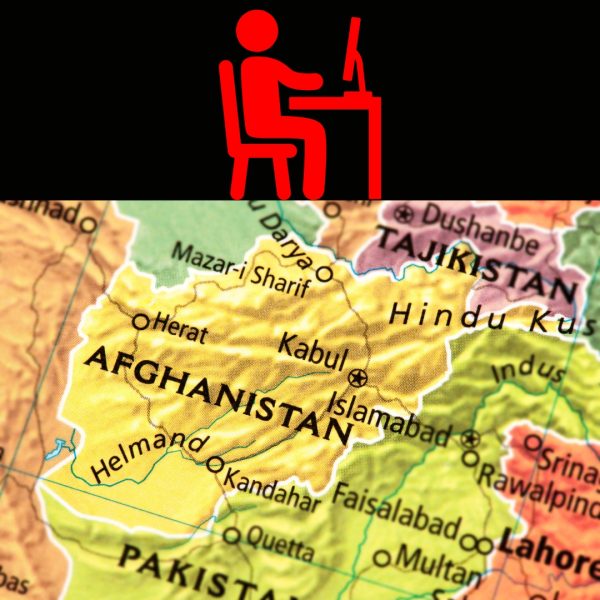
The Taliban took over Kabul in 2021, becoming the government of Afghanistan. The Taliban has faced international scrutiny for violations of human rights, specifically targeting women, ethnic and religious minorities and the practice of censorship of speech and media. Although nations, including the United States, do not recognize the Taliban as the formal government, the group has implemented multiple political and economic actions the Taliban have introduced since 2021 including bans on foreign currency, restrictions on international journalists and the abolition of the country’s pension system. There has been previous internet censorship from 1996-2001 during the first regime of the Taliban.
According to CBS news, this nationwide internet blackout is to protect against religious immorality, preserving the Taliban’s views on religion and politics. However, the internet ban has faced questioning reactions. The United Nations Assistance Mission in Afghanistan said, “In addition to violating human rights and freedoms, Internet shutdowns have been shown to put lives at risk.”
US history teacher Aaron Torres said, “When you have governments that are oppressive, like things taking place in Afghanistan, instituted by the Taliban, you know, you just get the feeling of complete government control…Our lives are driven by the internet. You’re cutting people off to access, you’re cutting people off to resources, you’re cutting people off to freedoms that we need to exist in this world today.”
In Aug., the country was impacted by a 6.0 earthquake and the Sept. internet block impacted humanitarian efforts for victims in the country, as said by The United Nations.