An dive into the addiction to consumerism
The term “consumerism” is nothing new. Over-consumption popularity hit one of its most prominent spikes in the 1920’s, after World War I, commonly referred to as the roaring 20’s. Similar to then, 2025 brands and business owners have been dumping out of date clothing and constantly producing more low quality, fast fashion products. However, the average U.S. consumer spending chart has been at an almost constant rise. Since 2017 there was only one dip in the spending chart in 2020, with it now peaking in 2025 according to takeprofit.org. So why does the need for stuff keep rising?
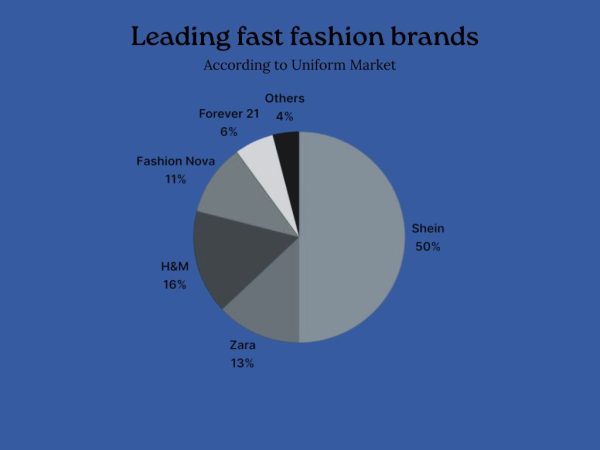
Brands sell status. Corporations like Edikted, Shein, Zara and PacSun create a sense of urgency in their products, marketing their products as “limited time” and “while supplies last” creates a sense of panic in the buyer, who scrambles to get the products while they can, and later a sense of accomplishment when they buy these products. Edikted, and other brands like it are constantly joining trends, selling them and dumping them.
Brands.thecommons.earth and goodonyou.eco advise against the consumption of these products deeming it unethical due to the brands labor exploitation and the poor environmental impacts, despite the brands claim to “minimize waste.”
Valentina Kellner ‘27 said, “I think [fast fashion brands] don’t look good, I think they look super cheap.”
Awareness doesn’t always equate to action. In a poll from the Christopher Nieper Foundation, nearly half of the adults admitted that they didn’t consider environmental impact when purchasing clothing and 17% indicated that if they did know the environmental impacts, they still wouldn’t change their clothing consumption habits.
Jesus Gantes ‘26 said, “I try to not buy so much, but if I do, I probably buy [a new piece of clothing] like every two weeks.”
So what makes fast fashion so bad? According to the UN Environment Programme, the fashion industry is the second biggest consumer of water and also holds responsibility for 10% of all global emissions. Also, 35% of all micro plastics are found in synthetic material used to produce cheap clothing. In a study from the World Bank Group, they found that if the industry continues to pursue this course, an increase of greenhouse emissions by 50% is expected in the next decade.
Minimizing the consumption of these products would result in less product being produced, which ultimately means less resources used, along with less emissions during production. No one is an exception to the solution, impact is contributed to by everyone. Simple changes like shopping at thrift stores more often can impact our environment greatly.







![The second song [called Ca$ino] of the album features Baby Keem repressing the sad moments with his mother which made him mad and embarrassed. Graphic by: Joaquin Romero](https://thecougarpress.org/wp-content/uploads/2026/05/MEDIA-1-COVER-1200x1200.jpg)