A dive into the roots of the regression in quality and memorability of today’s music
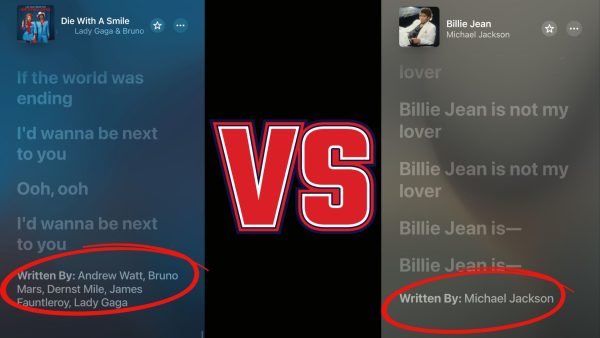
When you think of the greatest musicians to ever exist, you probably think of the Beatles, Michael Jackson and Bob Dylan. These three musicians will never be forgotten for their contribution and influence over popular music. However, when I find myself listening to the radio or listening to Spotify’s top ten of the month, I hate to say it, but 90% of those songs are bland and forgettable. No one’s going to remember these songs in the next 40 years, let alone 10. I find there being two main causes for the regression of good popular music today: One, being an increase in songwriters therefore suppressing an artist’s style or creativity. And two, the atrophy of our patience to listen to full albums or long tracks due to social media.
I’ve noticed through my own music experience the bands most popular between the 60’s to 90’s all had one thing in common. They were trying to do something. For example, Black Sabbath, the founding fathers of metal, wanted to convey the dark themes of horror movies in the form of music and the Beatles wanted to change the state of music as a whole by experimenting with different styles, recording techniques and genres. My point is that these bands tried to create something new, something original and influential that wouldn’t just pay well but change music forever. Local Ventura musician, producer and general contractor Guy Martin said, “Bands from back in the day…even solo artists, they had a vision, they put it down on paper and or tape and they made records.”
This relates to the idea about the change from a band or artist’s perspective on creating a song or album to change the industry or portray something which is what qualifies music as art in the first place to a focus on creating something plain or basic to appeal to the public. Martin said, “Where it gets tricky is when songwriting turns into more of a committee saying where everyone’s kind of chasing what they think might work instead of what actually feels good and honest.”
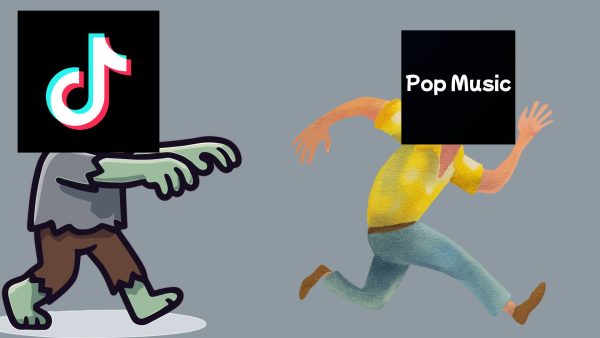
I understand the idea of worrying about what might work in music especially in social media. It’s so easy now to skip a song on Spotify or swipe the phone to the next Instagram reel where you’ll only hear at most 30 seconds of a song, probably closer to 10. I’ve felt that this new way of discovering music has atrophied our ability to appreciate great music. For example, ‘The Dark Side of the Moon’ by Pink Floyd, arguably the greatest rock album of all time, is the true definition of a start to end listen to properly appreciate and understand its impact on the music industry and its portrayal of the human experience. You could not skip through songs on the album and appreciate the album to its fullest because Pink Floyd didn’t design it that way. Martin said, “Music is just turning into a momentary background element for 10 seconds or 30 seconds and trying to capture a quick emotion for a quick reel or a Tiktok video.”
Royce Kreig ‘28 said, “Nowadays it is much easier to go from nobody to someone in an instant.”
However, I argue that these artists who are trying to put themselves on the map and make themselves a little money counterintuitively produce these songs directed for social media which will disappear just as fast as the trend does. Martin said, “Virality does not equal longevity.”
Sabrina Carpenter’s single “Manchild” is often used as a popular TikTok sound but the full song is just a generic pop ballad. Nothing in it is special or innovative that music listeners 10 to 20 years from now will revisit. Those kinds of songs won’t be remembered and haven’t contributed to the music industry. We must recognize this as a culture for music to start moving into a more creative and innovative mainstream catalog.




![The second song [called Ca$ino] of the album features Baby Keem repressing the sad moments with his mother which made him mad and embarrassed. Graphic by: Joaquin Romero](https://thecougarpress.org/wp-content/uploads/2026/05/MEDIA-1-COVER-1200x1200.jpg)