Should certified lifeguards be present during aquatic sporting events?
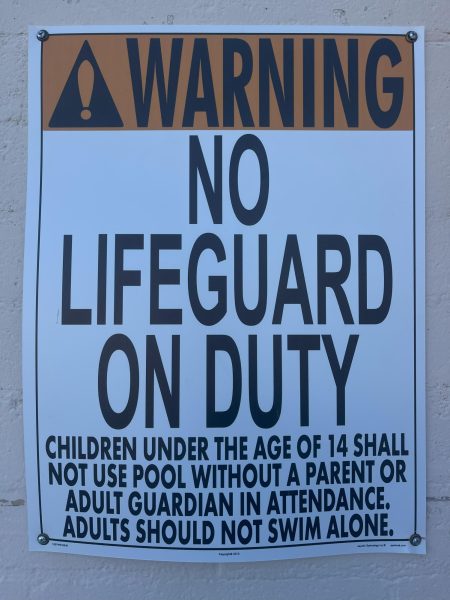
According to Stop Drowning Now, 4,000 people drown in the U.S. per year. Drowning can silently happen in under a minute and can be caused by multiple things such as medical emergencies or inexperienced swimming. Drowning can happen to anyone including young, strong or experienced athletes. VHS has an on-campus swimming pool that hosts aquatic sports like waterpolo, swim and diving. Even though a backboard rests upon the wall, there are no lifeguards on duty. Should there be? As a Red Cross certified lifeguard, I think it is worth considering having lifeguards present at high school aquatic events.
The one reason I think lifeguards should be present at aquatic sporting events is medical emergencies. Medical emergencies can happen anytime and to anyone. Last year, a high school swimmer competing at VHS’s pool experienced a medical emergency and paramedics were called. Medical emergencies that occur in water require critical response time, appropriate care and depending on the emergency, EMS personnel. Violet Flores ‘28 said, “[I think lifeguards should be on duty] because there was one time where we had a swim meet and someone had a seizure in the middle of their race. I think if a lifeguard was present during that time, he could’ve been escorted to the hospital faster.”
Medical emergencies in the water can increase the patron’s risk of drowning if the emergency is not properly handled. Major injuries can also occur, such as a swimmer hitting their head against the wall, a diver hitting the board, high impact collision between water polo players or someone slipping on the deck. Swim coach Greg Raney said, “We’ve had athletes as well as spectators, as well as myself, slip and fall on the pool deck.”
Spectators of aquatic sporting events could also experience medical emergencies or injuries. Lifeguards not only can adequately respond to these situations but can also decrease the possibility of them occurring or becoming more severe due to preventative measures, fast response time and ensuring safety.
Experience and training is another aspect to consider regarding this topic. Although aquatic coaches complete required CPR and first aid training, Raney said, “Having a designated lifeguard whose only concern is the safety of those in the pool would be beneficial.” Experience and training of lifeguards ensures the quality of first aid and this is critical for any situation that requires a medical response. Lifeguards also understand the legal aspects of being a first responder such as liabilities and performing care within their scope. Say someone responds to a situation that requires first aid and their quality of care causes more harm, that can potentially result in a lawsuit. In extreme cases where life saving measures are required and more harm is caused, that is a bigger issue that could possibly result in a wrongful death lawsuit.

In addition to emergency response, lifeguards at aquatic events can deliver dedicated surveillance to ensure safety of patrons which can help coaches and officials focus on the sport and athletes. Raney said, “Coaches, while trained, have a lot of other responsibilities to take care of while on the pool deck.”
As much as I think lifeguards should be present at aquatic sporting events, I do acknowledge that there are financial costs to be paid if lifeguards would work here and where that money would come from is a big aspect. Raney said, “[However] this would also be a cost that the school or district would have to be able to afford.”
I do not think though that the costs or process of having designated lifeguards on our pool deck should stall discussions on this topic due to the beneficial aspects it can result in for our athletes and spectators.